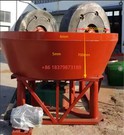
100tph gold centrifugal concentrator details

Gold Technical Specifications
|
Model |
STLB20 |
STLB30 |
STLB60 |
STLB80 |
STLB100 |
|
Feeding Capacity (T/h) |
0-0.6 |
2-3 |
8-12 |
40-45 |
80-120 |
|
Fluidization Water Required (m3/h) |
2-3 |
3-5 |
7-10 |
30-36 |
60-80 |
|
Slurry Water Required (m3/h) |
1.5-4 |
5-7 |
8-12 |
40-45 |
70-100 |
|
Feeding Density (%) |
0-50 |
0-50 |
0-50 |
0-50 |
0-50 |
|
Feeding Size (mm) |
0-1 |
0-3 |
0-5 |
0-5 |
0-6 |
|
Concentration Cleaning Up Cycle |
Vein gold 1-3 Hours Placer gold:2-6 Hours |
||||
|
Concentrate Weight (Kg) |
2 |
3-5 |
10-20 |
40-50 |
70-85 |
|
Power Requirements (Kw) |
0.75 |
1.5 |
4 |
11 |
18.5 |
|
Approximate Shipping Weight (Kg) |
205 |
380 |
1800 |
3300 |
5000 |
|
Approximate Dimensions (mm) |
914×700×900 |
1160×885×1165 |
1926×1320×1721 |
2340×1800×2072 |
2513×2150×2395 |
Automatic discharge type,with variable frequency motor,frequency inverter and control cabinet. But can't continue work,when concentrate bowl is full of concentrate,It need stop feeding for washing concentrate,After washing concentrate,then can start working again,In order to continue work,so it need stand by one set.
It means when one washing concentrate so feeding to another one concentrator.

gravity separator centrifugal concentrator Working principle:The motor drives the hollow shaft of the gold centrifugal concentrator through a belt, causing the inner rotating sleeve to rotate at high speed and generate centrifugal force. The slurry is fed into the inner rotating sleeve through a feeding pipe. Under the action of the centrifugal force field, the particles in the slurry are separated. Heavy minerals, such as gold, are deposited on the inner wall of the rotating sleeve or in the cell guide, while light minerals are discharged as tailings. After a certain period of operation, the concentrate is discharged through the concentrate discharge outlet.
Application:It can be used in placer gold mining and hard - rock mining to recover natural gold. It can also be used to recover gold from old tailings, replacing some traditional processes such as amalgamation.