


Gold beneficiation technology | What are the gold beneficiation technologies?
Gold beneficiation is the core link of extracting gold from ore, and its technical level directly affects the resource recovery rate and economic benefits. Modern beneficiation technology efficiently separates gold from impurities through physical, chemical and even biological means, and continuously optimizes the process to cope with low-grade ores and environmental protection requirements. The following are the current mainstream gold beneficiation technologies:
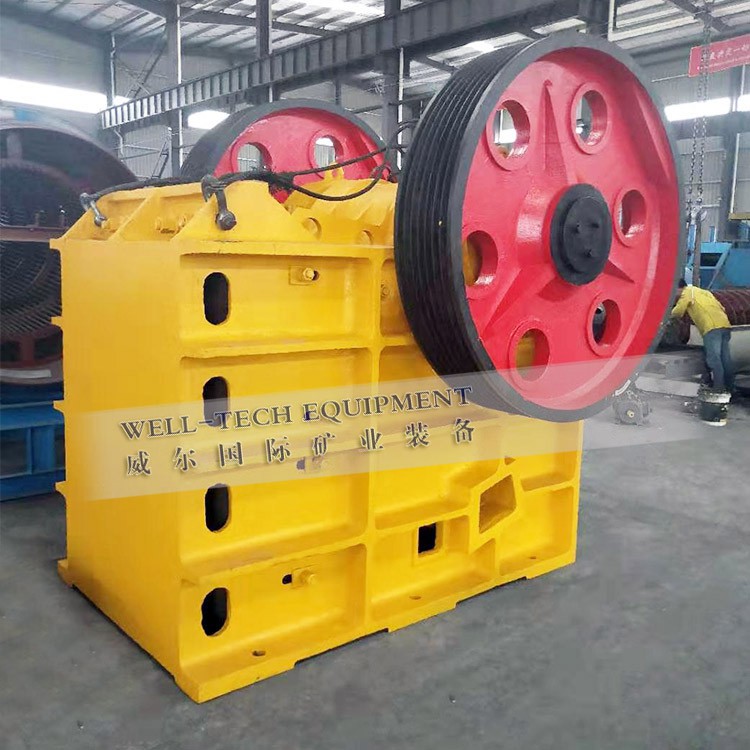
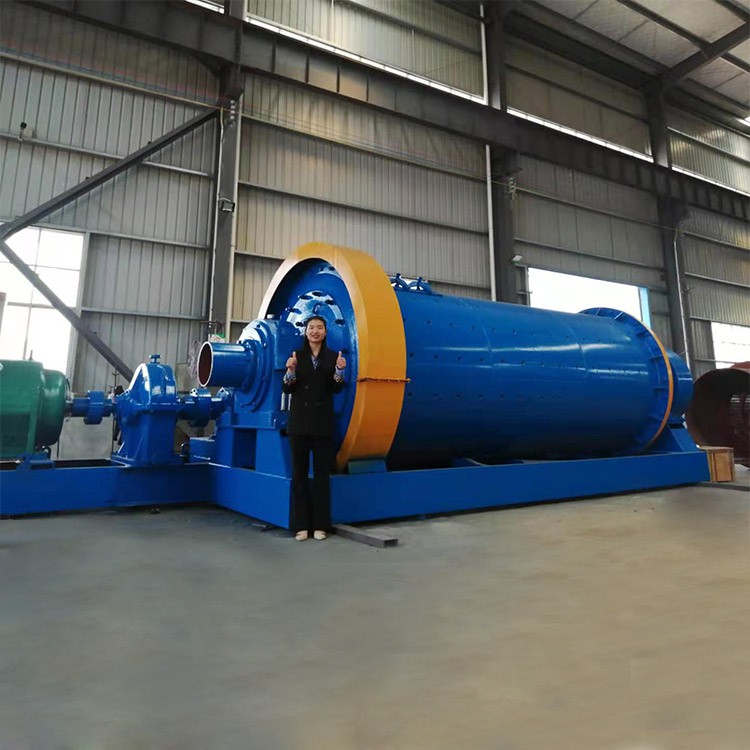
1. Crushing and grinding: After the key ore released by gold enters the beneficiation plant, it needs to be crushed and ground to crush the large pieces of ore to a suitable particle size. The key to this link is to balance the degree of dissociation and energy consumption: coarse crushing (jaw crusher) → fine crushing (cone crusher) → ultrafine grinding (ball mill/high-pressure roller mill). High-pressure roller mill can significantly reduce energy consumption, while increasing the monomer dissociation degree of gold minerals, creating conditions for subsequent sorting.

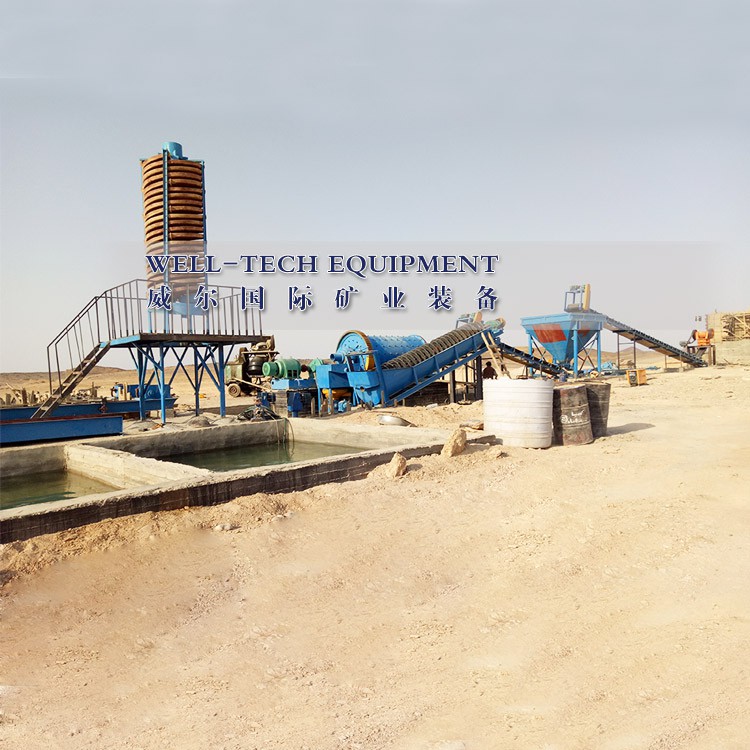

2. Gravity separation: Traditional but efficient "density screening" is suitable for coarse free gold, using the high density of gold (19.3 g/cm³) for physical separation: Jig: Recover gold particles larger than 0.5 mm through pulsed water flow sorting. Shaker: Process medium and fine particles (0.1–2 mm) to obtain high-grade gold concentrate. Spiral chute: Used for pre-enrichment, low cost but low recovery rate. Advantages: No chemical agents are required, environmentally friendly and low cost.
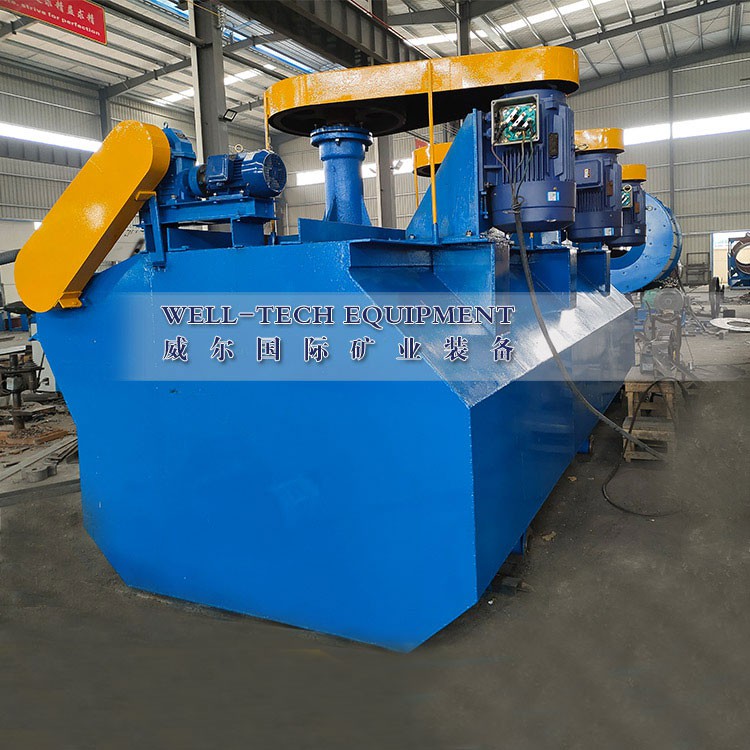
3. Flotation method: "Chemical fishing" to capture fine gold particles For fine-grained disseminated gold ores (especially gold coexisting with sulfides), the gold attached bubbles are floated by agents: Collectors (such as yellow medicine, black medicine) selectively adsorb gold particles. Adjusters (pH adjusters, inhibitors) optimize the flotation environment. Application scenarios: gold-bearing copper ores, difficult-to-treat sulfide ores.
4. Cyanide leaching: A "revolutionary technology" for gold extraction. Sodium cyanide (NaCN) solution can dissolve fine gold in ores and is suitable for low-grade ores: Heap leaching: Directly treat low-grade ores (0.5–1g/t), with low cost but long cycle. Carbon-in-Pulp (CIP)/Carbon-in-Leaching (CIL): Activated carbon adsorbs gold-cyanide complexes, with a recovery rate of more than 90%. Environmental challenges: Cyanide is highly toxic and wastewater needs to be strictly managed.
5. Non-cyanide leaching technology: Green alternatives. To reduce cyanide pollution, emerging leaching agents are gradually being used: Thiourea method: Dissolves gold in an acidic environment, suitable for complex ores containing copper and arsenic. Thiosulfate method: Non-toxic and efficient, but with high cost. Bioleaching: Using microorganisms (such as Thiobacillus ferrooxidans) to decompose sulfur/arsenic minerals that encapsulate gold is still in the experimental stage.
6. Tailings treatment and resource utilization: turning waste into treasure Modern ore dressing plants focus on secondary recovery and environmental protection of tailings: Intelligent sorting: using sensors or gravity separation equipment to recover residual gold. Wastewater recycling: zero-discharge system reduces pollution. Tailings utilization: making building materials (such as cement, bricks) or backfilling goaf.


