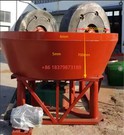
Tin extraction from ore relies on gravity concentration (for placer/alluvial tin) followed by pyrometallurgical smelting (reduction of cassiterite, SnO₂) and refining to pure tin. The workflow is: Mining → Concentration → Roasting → Smelting → Refining.

Alluvial Tin Plant gravity separator flowchart
1. Main Tin Mineral
Cassiterite (SnO₂): primary ore (SG 6.8–7.1), ~78.8% Sn.
Placer/alluvial deposits: high-grade, low impurities; lode/vein ores: lower grade, more sulfides (Fe, Cu, Pb, As).
2. Mining
Alluvial/placer: dredges, suction pumps, sluice boxes; cassiterite settles by high density.
Hard-rock/lode: drill–blast, then crush/grind to liberate cassiterite.
3. Concentration (Upgrade to 40–70% Sn)
Gravity separation dominates (cassiterite is much denser than gangue, SG 2.6–3.0):
Crushing & Grinding: reduce ore to 0.1–2 mm, liberate cassiterite.
Gravity Separation:
Jig machine: pulsating water stratifies by density; gold-jig principle, but for cassiterite.
Shaking tables: differential motion separates heavy cassiterite.
Flotation: for sulfide-associated tin (e.g., stannite); removes Cu, Fe, Pb sulfides.
Magnetic/Electrostatic Separation: removes iron, tungsten, zircon impurities.
Product: tin concentrate (40–70% Sn).
4. Roasting (Remove S, As, Volatiles)
Purpose: oxidize sulfides (FeS₂ → SO₂) and arsenic (As₂O₃ gas); converts Fe oxides for easier slag removal.
Conditions: 550–800°C, air, in reverberatory/rotary kilns.
Reaction: 2FeS₂ + 11O₂ → Fe₂O₃ + 4SO₂↑ 4FeAsS + 11O₂ → 2Fe₂O₃ + As₄O₆↑ + 4SO₂↑
Result: clean SnO₂-rich calcine.
5. Smelting (Reduce SnO₂ to Crude Tin, 90–95% Sn)
Two-stage smelting maximizes recovery (~97–98%).
Stage 1: Primary Smelting
Feed: roasted concentrate + coke (reducing agent) + limestone (flux, forms low-melting slag).
Furnace: reverberatory, Ausmelt (TSL), or electric furnace; 1200–1400°C.
Reaction: SnO₂ + 2C → Sn(l) + 2CO↑ SnO₂ + CO → Sn(l) + CO₂↑
Products:
Crude tin: 90–95% Sn, with Fe, Cu, Pb, Sb, Bi.
Tin-rich slag: 8–16% Sn (reprocessed in Stage 2).
Stage 2: Slag Smelting (Recover Lost Tin)
7. Flowchart Summary
Ore → Crush/Grind → Gravity/Flotation Concentration (40–70% Sn) → Roast (550–800°C) → Primary Smelt (1200–1400°C, crude tin 90–95% Sn) → Slag Re-smelt → Fire Refine → Electrorefine → 99.99% Pure Tin
Key Parameters & Tips
Gravity separation: optimal for 0.074–2 mm cassiterite; jigs for coarser, tables for fines.
Roasting: avoid overheating (>800°C) to prevent SnO₂ volatilization.
Smelting: control C/SnO₂ ratio; excess C reduces Fe, contaminating tin.