


Distribution of Mining in Europe
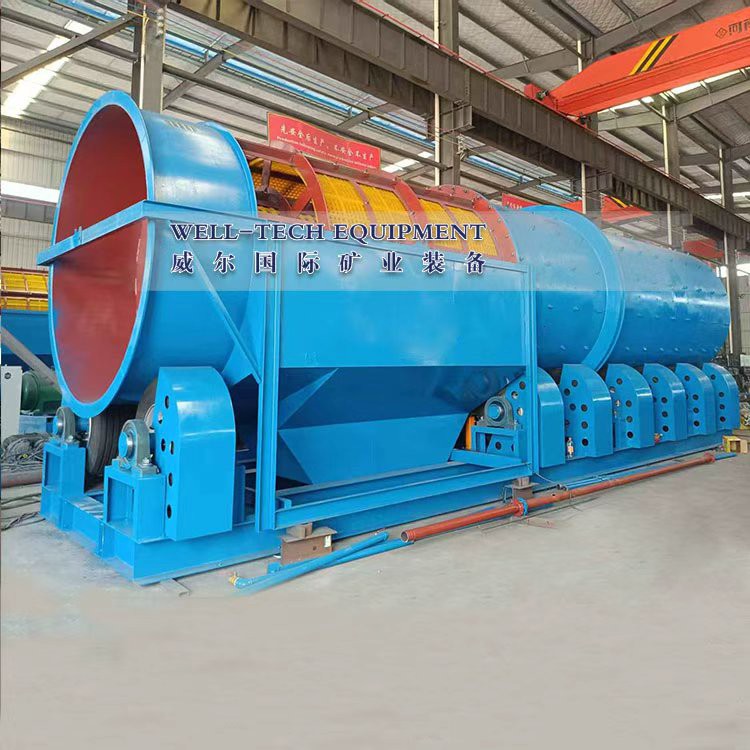
Rotary Scrubber to Europe Slovenia
Key Takeaways Summary
Resource Diversification: Europe boasts a diverse range of mineral resources, including metallic minerals, industrial minerals, energy minerals, and building materials.
Regional Concentration: Mining activity is highly concentrated in a few countries, particularly in Northern Europe (Finland, Sweden, Norway), Eastern Europe (European part of Russia, Ukraine), and Central Europe (Poland, Germany).
EU Strategic Dependence: The EU is heavily reliant on imports for many key metals (such as rare earths, lithium, and cobalt), and is therefore actively promoting the development of its domestic mining industry, especially in the battery metals sector.
Environmental and Social Challenges: Developing new mining projects in Europe faces significant challenges, including stringent environmental regulations, public protests, and competition for land.
Major Mineral Types and Distribution Areas
1. Metallic Minerals
This is the area of greatest focus and strategic investment for Europe, particularly the EU.
Iron Ore:
Sweden: Kiruna and Malmberger are Europe's largest and most renowned iron ore regions, known for their high yields and quality.
Ukraine: The Krivelikh Basin was an important iron ore base during the former Soviet Union, but is currently severely affected by the war.
Base Metals (Copper, Zinc, Lead, Nickel):
Finland: One of Europe's largest nickel producers and an important copper and zinc producer. Major mining areas include Kemi and Hamaslahti.
Sweden: Possesses abundant copper, zinc, and lead resources. Eitik is one of Europe's largest open-pit copper mines.
Poland: An important copper and silver producer in Europe, with major mining areas in the Lubin region.
Spain/Portugal: The Iberian Pyrite Belt has historically been an important copper, zinc, and lead producing region, and active projects still exist there.
Russia (European Part): The Kola Peninsula is an important nickel and copper producing region.
Precious Metals (Gold, Silver):
Finland and Sweden: Major gold producers in Europe.
Poland: As a byproduct of copper mining, it is Europe's largest silver producer.
Battery Metals (Lithium, Cobalt, Rare Earths, etc.):
Lithium: Considered "Europe's Platinum."
Portugal: Europe's largest lithium producer (currently mainly from industrial minerals), with several hard-rock lithium projects under development.
Germany: The Upper Rhine Graben and the Cinovec project in the Czech Republic possess significant lithium resource potential.
Finland and Spain: Also have important lithium mining projects.
Cobalt: Primarily produced in Finland as a byproduct of nickel/copper mining.
Rare Earths: Mainly distributed in Sweden (Pergel near Kiruna) and Greenland (Denmark), but development is minimal.
2. Industrial Minerals
Potash:
Germany: A traditional major potash producer.
Russia (European part): The Ural region is an important production area.
Belarus: Also a major global potash exporter.
Borates: Turkey is a world-leading borate producer.
Kaolin: The UK (Corndwall) and Germany are major producers.
3. Energy Minerals
Coal:
Poland: Silesia is one of Europe's largest hard coal producing regions.
Germany: The Rhineland region has large open-pit lignite mines.
Czech Republic: Lignite mining is also present.
Ukraine: The Donbas Basin was once a major coal-producing region, but has been severely damaged by war.
Note: Coal mining in Europe is rapidly declining due to the energy transition.
Uranium:
Czech Republic: Small-scale uranium mining exists.
4. Building Stone and Aggregates: Widely distributed, with quarries in almost every country to meet local construction needs.
Detailed Explanation of Major Mining Countries/Regions: Nordic Region (Finland, Sweden, Norway):
Status: The "powerhouse" and future hope of European mining.
Characteristics: Excellent geological conditions, political stability, advanced mining technology, and government support for mining. This region is home to most new exploration projects and battery metal projects in Europe.
Eastern Europe (European part of Russia, Ukraine):
Status: Vast resource reserves, but faces geopolitical and war risks.
Characteristics: Rich in iron ore, nickel, coal, and potash. Ukraine possesses enormous mineral resource potential, but the current war has severely damaged its mining infrastructure and production capacity.
Central Europe (Poland, Germany):
Status: Traditional mining powerhouses, primarily producing coal and copper.
Characteristics: Poland is a mainstay of EU coal and copper production. Germany is transitioning out of the coal era but remains an important producer of industrial minerals such as potash.
Southern Europe/Balkans (Turkey, Serbia, Greece, Spain, Portugal):
Status: Historically significant, possessing specific advantageous mineral resources.
Characteristics: Turkey is a global leader in borates. Serbia's Bor copper mine and Yada lithium mine projects are attracting considerable attention. Spain and Portugal have significant potential in copper, zinc, and lithium.
EU Policy and Strategic Background
The EU launched the "Critical Raw Materials Action Plan" in 2020, aiming to:
Strengthen domestic supply chains: Promote critical raw materials projects within the EU by streamlining approval processes and providing financial support.
Promote resource recycling: Vigorously develop recycling technologies to extract critical metals from waste.
Diversifying Supply Chains: Establishing strategic partnerships with reliable third countries to reduce dependence on single countries (such as China).
Challenges and Future Trends: Environmental and Social Permit: This is the biggest obstacle facing new mining projects in Europe. Public concerns about water pollution, ecological damage, and land use are very strong.
Relationship with Indigenous Peoples (such as the Sami): In Northern Europe, mining development needs to fully consider its impact on the traditional lifestyles of indigenous communities.
Costs of Energy-Intensive Industries: High energy and labor costs put European mining under pressure in international competition.
Future Trends:
The focus will continue to be on batteries and strategic metals.
Deep-sea mining (e.g., in the Atlantic Ocean) may be an option for the future, but it is highly controversial.
Digitalization and automation will further improve mining efficiency and safety.
The circular economy will become increasingly important, and urban mining (recovering metals from e-waste) will become an important source of raw materials.
In conclusion, the European mining industry is undergoing a transformation, shifting from traditional coal and base metals to key metals that underpin a green and digital future, but this transformation is fraught with complex technological, environmental, and social challenges.

Magnetic separator to Europe Poland


