


Tin ore is unevenly distributed globally, primarily concentrated in parts of Asia, South America, and Africa. The specific distribution is as follows:
Asia: China ranks first in the world with 1.1 million tons of reserves, accounting for approximately 26% of the world's known reserves. Tin ore resources are primarily concentrated in the Greater Khingan Range-Ganzhuer Temple metallogenic area, the Sanjiang metallogenic belt, the Kangdian metallogenic area, and the Gejiu metallogenic area. Yunnan, Hunan, and Guangxi are the main production areas. Myanmar holds approximately 700,000 tons of reserves, accounting for approximately 16.3% of the world's total reserves. Tin ore resources are concentrated in the Manxiang mining area in Wa State, the southeastern Shan Plateau, and western Kachin State. Indonesia also boasts relatively abundant tin ore reserves, with over 90% of its resources concentrated in the Tianma Group of Indonesia. The main production area is the Bangka-Belitung Islands, primarily in the form of alluvial placer deposits. Malaysia, once known as the "Tin Capital of the World," has tin deposits originating from the contact zone of the Central Mountain granite intrusion and later concentrating in the foothills.
South America: Peru is South America's largest tin producer. Its primary mining area is the San Rafael mine, operated by Minsur. Ore grade is as high as 2.08%, with reserves of 132,000 tons. Brazil is the world's fifth-largest tin producer. The Pitinga mine, operated by Taboca, a subsidiary of Minsur, is the world's largest single tin mine. Bolivia, centered around the Huanuni mine, is a significant tin producer, but production is limited by infrastructure.
Africa: The Democratic Republic of the Congo is Africa's largest tin producer, producing 19,000 tons in 2023. Its Bisie mine, operated by Alphamin Resources, is one of the world's highest-grade tin mines, with an average grade of over 4%.
Other regions: Australia's Renison tin mine is a major hard rock mine, offering high grade but limited production. Russia also has significant tin reserves, primarily in its eastern region. Thailand and Malaysia were historically important tin producing regions, but current production is relatively low.
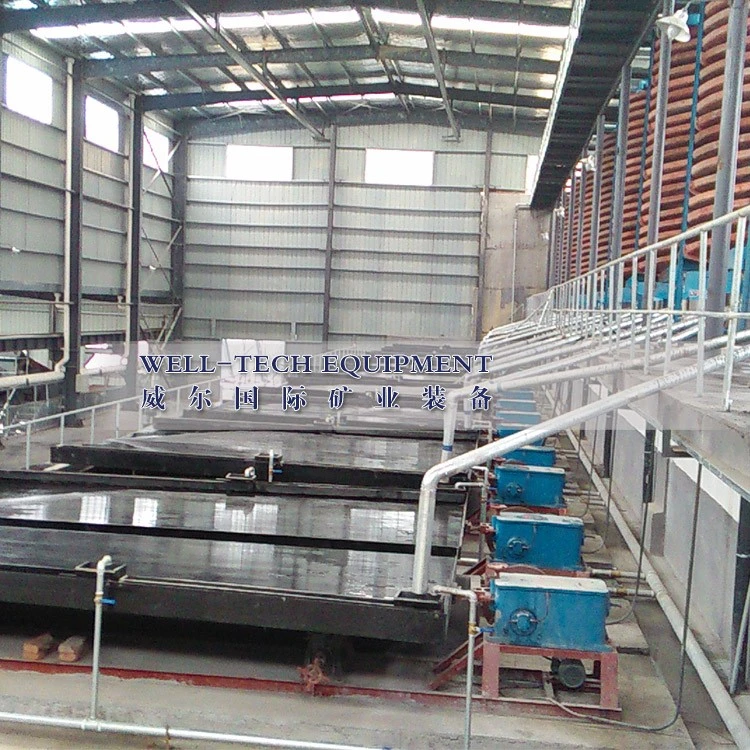
Tin Shaking Table
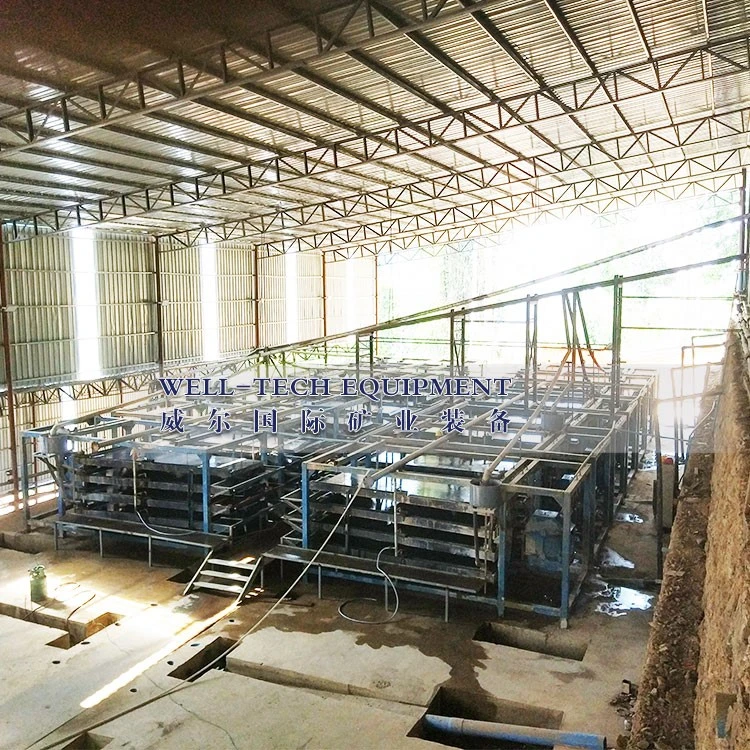
4layer Tin shaking table in Myanmar


